
Global smartphone shipments will drop a record 16.7% in 2026, according to research firm IDC. Even so, the market is growing in dollar terms, because phones themselves are getting more expensive. Average selling prices are forecast to jump 27.6% this year to $581, up from an earlier IDC estimate of $550 just one quarter ago.
The culprit is a memory chip shortage. NAND and DRAM costs are up more than 300% year over year, and IDC expects the crunch to last until at least 2028. Phone makers are passing that cost straight to buyers, and the cheapest tier of the market is taking the hardest hit.

The end of the cheap Android phone
IDC says roughly 173 million phones shipped below $100 last year. Much of that segment is becoming economically unviable as component costs rise. Android is absorbing nearly the entire industry-wide decline, with shipments projected to fall 24.3% in 2026. The platform’s global market share drops seven percentage points in a single year.
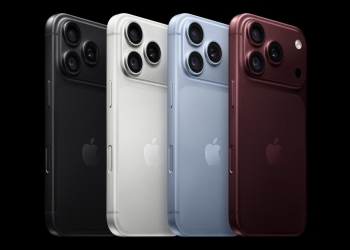
Apple, by contrast, is largely insulated. IDC expects iOS shipments to slip just 1.3% this year, pushing Apple to a record 23.6% share. Huawei’s HarmonyOS is also gaining. Its shipments are nearly tripling to 51 million units, helped by Huawei’s own supply chain in China.
Francisco Jeronimo, IDC’s Vice President for Worldwide Client Devices, put the shift bluntly:
“The memory tsunami that we warned about is now hitting the market in full, and consumers are starting to pay the AI bill. The components that make AI possible are the same ones in short supply, and their cost is being passed straight through to the shelf. Average selling prices are up 27.6% this year and will keep rising well into 2027. The era of the cheap smartphone has ended. From here, the winners will be the vendors with the scale and supply leverage to hold demand at prices consumers have never had to pay before.”
What this looks like on an actual price tag
Poco’s newest India phone is a useful example of where entry-level pricing is heading. The Poco X8 Power went on sale in India this month, according to GSMArena. It costs Rs 35,999 for the 8GB/128GB model and Rs 38,999 for 8GB/256GB.
That buys a Snapdragon 6 Gen 5 chipset, a mid-tier processor. It’s a price that used to fetch considerably more silicon just a couple of years ago. The phone does pack a 10,000mAh battery and a 6.83-inch 120Hz OLED display. GSMArena also reports it carries 4 years of OS updates and 6 years of security patches, so buyers are at least getting a longer support window in exchange for the higher bill.
Foldables are the one bright spot in IDC’s forecast, and the only phone category growing right now. IDC expects foldable shipments to rise 12.6% to 22.9 million units in 2026. That accelerates to 18% growth in 2027, partly on the strength of Apple’s rumored entry into the category. IDC projects Apple could ship more than 17 million foldables by 2027, close to 40% of the global foldable market, at average prices above $2,550.
IDC also notes that premium buyers in the US and UK are cushioned by widely available interest-free financing. Emerging markets are expected to see demand drop more than 20% this year as the price floor keeps rising.