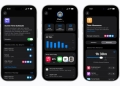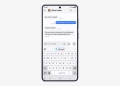
Google is opening up Google Home to outside AI agents. A new Home MCP connector is now in early access. It lets third-party AI assistants read your device history, check live device states, and send commands to your smart home — not just Google’s own Gemini.
What Home MCP actually does
MCP stands for Model Context Protocol, an open standard that lets AI agents plug into external tools and data sources. Google’s own developer page describes Home MCP as a way to connect agents directly to a home’s devices and room layout. That connection lets an agent check device history and monitor real-time states. The page lists four things Home MCP can do. It can list the rooms and devices in your home, monitor live device states, execute control commands, and pull historical logs to answer questions like “what happened while I was out?”
Google names Antigravity, Open Claw, and Claude as examples of the kind of personal agent this is meant to plug into. Its own tools are on that list too. That list is Google’s, not a promotional choice by androidpure — it’s simply naming what the page itself lists as compatible clients.
Who gets it, and when
Home MCP is rolling out in early access, in English, to Google Home Premium Advanced subscribers in the US. There’s no broader timeline for other markets or tiers yet. A separate, developer-facing tool called Home Developer MCP also exists. It’s aimed at engineers building against Google Home’s APIs, not at end users controlling their own devices.
The part worth being skeptical of
Google’s page states that Home MCP is “designed to meet Google’s security and privacy standards so agents can’t take sensitive actions on your behalf.” That’s Google’s own claim, and it deserves scrutiny rather than a repeat. Handing an AI agent read access to your device history and real-time state is a meaningfully larger data-sharing decision than turning on a single skill or routine. That access can include who’s home, whether your doors are locked, and when your lights turn on. Google says sensitive actions like unlocking doors are blocked. But the feature still routes a live feed of your home’s activity through a third-party agent’s servers. Google’s own copy doesn’t spell out what those agents log, retain, or do with that data on their end.
For a Home Premium Advanced subscriber curious about this, the OAuth-based connection is opt-in. It can presumably be revoked the way other linked-app permissions can. But it’s still worth reading what a given agent’s own privacy policy says before granting it a live window into your house. Google’s own security-standards claim only covers its side of the connection, not what an agent does with the data once it leaves Google’s systems.
The rest of it, in brief
- Home Developer MCP: a separate server aimed at coding assistants, indexing Google Home SDK docs, Matter specs, and OpenThread documentation for developers, not device control.
- Authentication differs by tool: Home MCP uses a user-authorized OAuth flow, while Home Developer MCP uses unauthenticated trial paths and project API keys.
- Rate limits and safety protections are built in, according to Google, including a block on agents taking sensitive actions like unlocking doors.

If you’re a Google Home Premium Advanced subscriber in the US, the early access rollout means you may see this option appear soon. Everyone else will need to wait for Google to widen availability beyond English and beyond the US, which it hasn’t given a timeline for yet.
Source: Google Home Developers