

Apple appears to have leaked its own unreleased smart display. Code in a recent macOS 26.7 beta contains references to a “HomeAccessory” — a HomePod with a screen — and Engadget’s Filipe Espósito has gone through what those strings describe. Treat all of this as a leak: Apple has announced no such product, and even the name people are using for it, HomePad, is not Apple’s.

A smart display that behaves like a giant Apple Watch
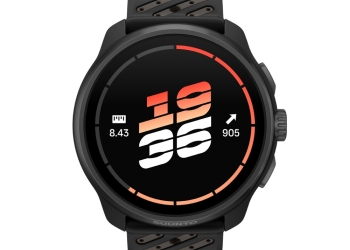
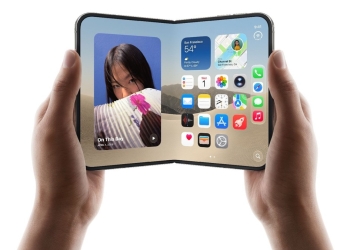
The most concrete thing in the code is the interface. The device is “likely to run a variant of tvOS” according to Engadget’s read, but its home screen is built around “Faces” and a “Face Gallery” — the same idea as Apple Watch faces, scaled up to a wall-sized panel. Those faces are described as customisable with widgets and Smart Stacks, so the display’s contents rotate through the day rather than sitting on one fixed dashboard. iPhone app widgets can be placed on it too, working roughly the way iPhone widgets already land on a Mac via Handoff. Support for Siri AI and App Intents is also indicated.
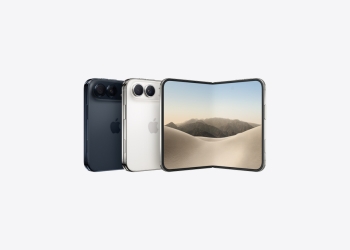
The code also points to two physical variants, from the strings “HomeAccessory” and “HomeAccessory_wall” — a standard unit and a wall-mountable one.
The privacy detail is the one worth paying attention to
Buried in the interface findings is a design decision that most smart displays get wrong. Engadget writes that the code “can detect when the user’s iPhone is nearby to decide whether or not to display personal information in the widgets”, calling it “a really nice touch for keeping sensitive data private.”
It is. A screen in a hallway or a kitchen is seen by housemates, guests, children and anyone at the door, and the standard industry answer — showing your calendar, messages and reminders to whoever walks past — has never been good enough. Gating personal content on the owner’s phone being in the room is a sensible default, and it is the sort of thing Android’s smart-display ecosystem should be judged against rather than shrugging at.
The caveat is equally worth stating: proximity detection means the device is continuously looking for your phone. That is a trade, not a free win, and it will be worth reading Apple’s own documentation on where that detection happens when the product is real.
What else the beta gave away
- A tabletop robot — a display on a rotating robotic arm, codenamed J595 and previously reported by Bloomberg. Codename references appear in HomeKit-related frameworks in this beta, but Engadget notes it probably will not be unveiled before 2027.
- A new HomePod mini — codenamed B525, and expected to be a minor refresh; MacRumors reports new colours.
- Wider references — the same beta also mentions unreleased iPhones, AirPods, iPads and Macs.
None of this comes with a launch date, a price or a confirmed name, and code strings in a beta describe what engineering has built, not what shipping product marketing will sell. But an unusually large slip from a company that leaks as rarely as Apple does is a reasonable signal that a screen-bearing HomePod is close rather than hypothetical.