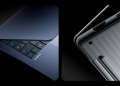
Google’s Android-based laptop is no longer a leaked codename. The company officially launched Googlebook on September 21, opening pre-orders for five flagship models starting at $899, with devices reaching store shelves on October 4 in the US.

The launch ends more than a year of leaks that started with references buried in Google Play Services code. Google now confirms the platform runs “Googlebook OS,” described in its own announcement as built on the Android technology stack with desktop foundations borrowed from ChromeOS. John Solomon, Google’s VP and General Manager for Laptops, Tablets & Android Enterprise, wrote in the launch post that Googlebook is “designed for Gemini Intelligence and engineered to work with your Android phone right out of the box.”
Googlebook Pricing and Availability
Pre-orders are open now through the Google Store, Best Buy, and select other retailers. Five launch partners are involved: Acer, ASUS, Dell, HP, and Lenovo. US shoppers get their devices first on October 4, followed by Canada, the UK, Ireland, France, Germany, and Australia on October 5.
- Acer Googlebook 14 — $899, 360-degree convertible, Intel Core Ultra 5/7, 16GB RAM, 14-inch 2.8K OLED touchscreen, 1.13kg
- ASUS Googlebook 14 — $1,299, 1.0kg, 14-inch 3K OLED display, includes HDMI
- Dell XPS Googlebook — $1,199, Snapdragon X Elite, 13.4-inch 2.5K display, two USB-C ports only
- HP Googlebook 14 — $1,299, Snapdragon X Elite, up to 1TB storage, face and fingerprint unlock
- Lenovo Googlebook 15 — $1,299, 15.3-inch 2.8K OLED display, Intel Core Ultra 5 (3rd gen)
One detail worth weighing before buying at the launch price: IT之家, citing Acer executive Kelly Odle’s comments to The Verge, reports that the $899 Acer configuration is a limited launch price that may be revised upward as memory component costs rise industry-wide. If you’re eyeing the cheapest model, that’s a reason to move on pre-orders rather than wait.
Specifications and Software
Every Googlebook uses premium materials — aluminum, magnesium alloy, or carbon fiber — with touchscreens up to 2.8K OLED, haptic glass trackpads, and backlit keyboards. Google says the processors, from Intel and Qualcomm, pair with NPUs rated above 45 TOPS, and battery life is rated up to 14 hours.
- Displays: up to 2.8K OLED touchscreens across the five models
- Processors: Intel Core Ultra (5th/7th-gen options) or Qualcomm Snapdragon X Elite, depending on model
- NPU: rated above 45 TOPS on-device AI performance
- Battery: up to 14 hours claimed, per Google
The phone-to-laptop features are the real pitch. Continue On resumes a task started on your Android phone directly on the laptop’s taskbar. The Files app pulls up your phone’s photos and documents without emailing them to yourself. Cast My Apps streams a phone app — say, a delivery app or a one-time SMS code — into a desktop window without switching devices. On the AI side, Magic Pointer summons Gemini by wiggling the cursor, Rambler turns spoken notes into formatted text, and Create My Widget builds custom desktop widgets from a plain-language description.
Every purchase includes 12 months of Google AI Pro (5TB cloud storage plus Gemini Advanced tools), three months of YouTube Premium, a trial of Adobe Photoshop, and a full year of GeForce NOW. Google is also promising “regular feature drops and updates for up to 10 years” for Googlebook OS — a notably longer commitment than most Chromebooks or Windows laptops get, and one worth remembering the next time an OEM’s update pledge comes up short in comparison.
Google’s laptop-category push has been building since a September 1 feature-drop post first described a “coming soon” laptop experience, and again when androidpure reported on September 15 that an email to early sign-ups pointed to a September 21 pre-order window — at the time, without a price, ship date, or confirmed product name. All three are now official.