

Do you keep your two-factor codes in Microsoft Authenticator on Android? Its backup system changes in January 2027. The app will stop using your Microsoft personal account for backups and will use Google One backup instead.

Microsoft’s admin notice MC1528006 says the change rolls out in mid-January 2027. If Google One backup isn’t set up by then, a lost or replaced phone could leave you without those codes. That matters most if Authenticator guards your email or bank logins.
What Microsoft is changing in Authenticator backup
Microsoft’s support page spells out the switch for Android users:
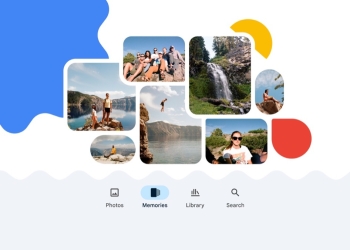
Starting January 2027, you will no longer use your Microsoft personal account to enable backup. You will need to enable “Microsoft Authenticator” from Google One backup.
The admin notice adds that restoring on a new Android phone needs both Google One backup and a screen lock. Backups will still cover one-time codes for Microsoft personal accounts and third-party accounts. In practice, your 2FA backup will sit in your Google account, protected by your phone’s screen lock. That’s a sensible setup, but it makes your Google account and lock screen more important than before.
How to turn on Google One backup
You can prepare now. Menu names vary by manufacturer, but on most phones Google’s steps are:
- Open Settings and tap Google services, then All services.
- Tap Backup.
- Turn Backup on.
- Set a PIN, pattern or password as your screen lock. Google recommends these over swipe or Smart Lock.
- Check which apps are included under Settings > Google services > Backup, then Backup details.
Google says some backup data is end-to-end encrypted with your screen lock, so the lock type matters. Each Google account gets 15 GB of free storage. A backup can take up to 24 hours to complete. When the change reaches your phone, look for Microsoft Authenticator in your backup settings and make sure it’s enabled.
What stays the same
Work or school account credentials still aren’t backed up, and that isn’t changing. Only the account name is saved, so you’ll have to sign in and re-register after a restore. Backup also works only when Authenticator is installed in your personal Android profile, not a work profile. Microsoft says IT admins don’t need to take any action.
On iPhone, Authenticator already backs up through iCloud. If you’ve been following the app’s security record, see our report on the Authenticator flaw that let rogue apps grab work tokens.
The open question
As of November 4, Microsoft hasn’t said whether existing backups tied to your Microsoft account move over automatically. Until it does, don’t assume your old backup will carry across. Turn on Google One backup, keep a PIN or password lock, and keep your account recovery options up to date.
Source: Microsoft Support, Microsoft admin notice MC1528006, Google Android Help
This post was written with AI assistance from public sources and published under the editorial responsibility of AndroidPure’s editor. How we work.